Your Cart is Empty

May 15, 2026 2 min read
In aggregate and bulk material operations, truck weight compliance is critical for both safety and legal operation. Department of Transportation (DOT) regulations enforce strict limits on axle and gross vehicle weights to protect road infrastructure and ensure safe transport.
Exceeding these limits can result in significant fines, rejected loads, delays, and increased liability for both drivers and facility operators. Maintaining compliance is not just a regulatory requirement—it’s essential to keeping operations running efficiently and predictably.
Department of Transportation (DOT) regulations place strict limits on both axle weight and total vehicle weight. These limits are designed to reduce roadway damage, improve safety, and ensure consistency across transportation systems.
For aggregate operations, where heavy bulk materials are transported daily, even small miscalculations can result in violations. These violations can lead to costly fines, inspection delays, and operational disruptions that affect both the facility and its customers.
Even well-managed facilities can experience overweight loads due to normal operational challenges. These issues often arise during high-volume production periods where efficiency is prioritized.
Common causes include:
These factors make it difficult to consistently maintain precise weight control without structured systems in place.
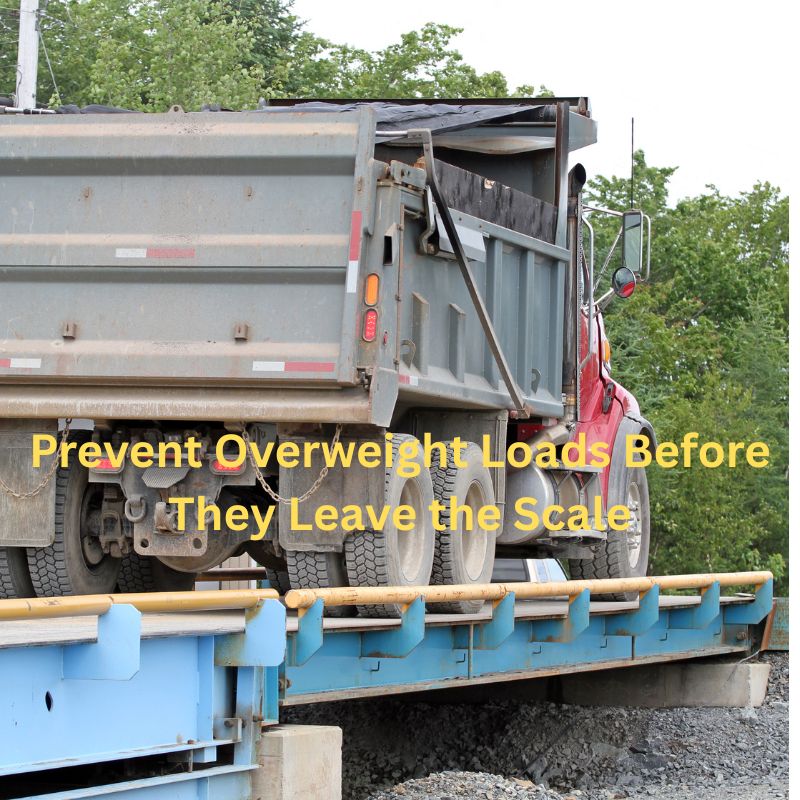
Successful operations implement structured processes at the scale to ensure trucks meet legal weight limits before leaving the facility.
Key operational controls include:
By identifying overweight conditions before a truck exits the facility, operators can correct the load immediately and avoid downstream consequences.
Maintaining weight compliance has a direct impact on both risk management and operational performance.
Facilities that implement strong controls benefit from:
Controlling truck weights is not just about avoiding fines—it ensures smoother daily operations and long-term reliability.
Interface Logic Systems solutions are designed to support these operational requirements by providing accurate weight tracking, controlled ticketing, and full visibility across the weighing process.
By helping facilities identify and resolve issues before trucks leave the scale, our systems support compliance, reduce risk, and keep operations running efficiently.
Comments will be approved before showing up.